The Egyptian pound gained ground against the US dollar at the start of this week, bolstered by improved US dollar liquidity and easing geopolitical tensions in the region

The Egyptian pound gained ground against the US dollar at the start of this week, bolstered by improved US dollar liquidity and easing geopolitical tensions in the region, contributing to increased stability in Egypt’s foreign exchange market.
On Sunday morning, the USD was trading at EGP 49.36 for buying and EGP 49.49 for selling at the Central Bank of Egypt — down from over EGP 51 in mid-June, when the greenback hit a recent peak.
Among commercial banks, Abu Dhabi Islamic Bank posted the highest rate at EGP 49.40 (buying) and EGP 49.49 (selling). Crédit Agricole Egypt offered the most favorable rates for buyers, with the dollar available at EGP 49.27 for buying and EGP 49.37 for selling.
At several major banks — including the National Bank of Egypt, Banque Misr, Banque du Caire, Al Baraka Bank Egypt, and Suez Canal Bank — the dollar remained steady at EGP 49.32 for buying and EGP 49.42 for selling.
Egypt plans to issue up to $4 billion in international bonds over the next 12 months, according to Finance Minister Ahmed Kouchouk.
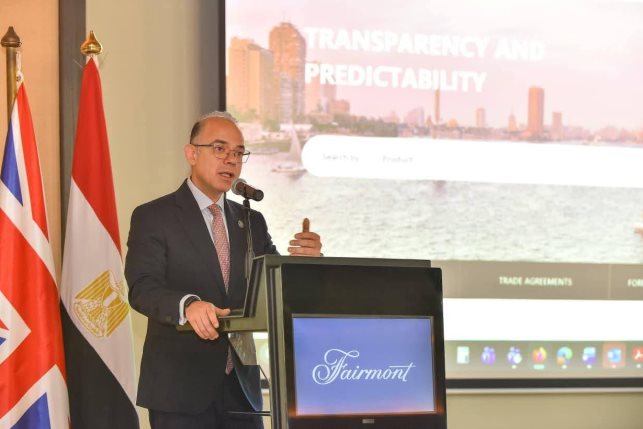
In a separate statement, Egypt expects to conclude the fifth and sixth reviews of its extended loan program with the International Monetary Fund (IMF) by September or October. Completion of the reviews would unlock a $2.5 billion disbursement, according to Kouchouk, who spoke during a recent visit to London.
“Both sides are working toward completing the reviews by early fall,” Kouchouk said, adding that the IMF remains focused on key reform targets.
The IMF is also set to intensify its focus on Egypt’s state-asset privatization strategy. Authorities are now aiming for a small number of high-impact strategic deals, particularly in sectors such as telecommunications, airport management, and financial services.
Earlier this month, the IMF announced that the fifth and sixth program reviews would be merged, citing the need for more time to achieve progress on structural reforms — particularly efforts to reduce the public sector’s footprint in the economy.
According to IMF estimates, Egypt aims to raise $3 billion from state-asset sales in the current fiscal year, up sharply from $600 million in the previous year. The government is targeting an additional $2.1 billion in the following fiscal year.
Kouchouk confirmed the government intends to complete up to four initial public offerings (IPOs) in the current fiscal year across multiple sectors. Egypt has also shared a medium-term reform roadmap with the IMF and international partners, including a detailed and transparent timeline for implementation.