He noted that these pressures have rapidly affected the global economy and left immediate consequences for people across the region and the world.
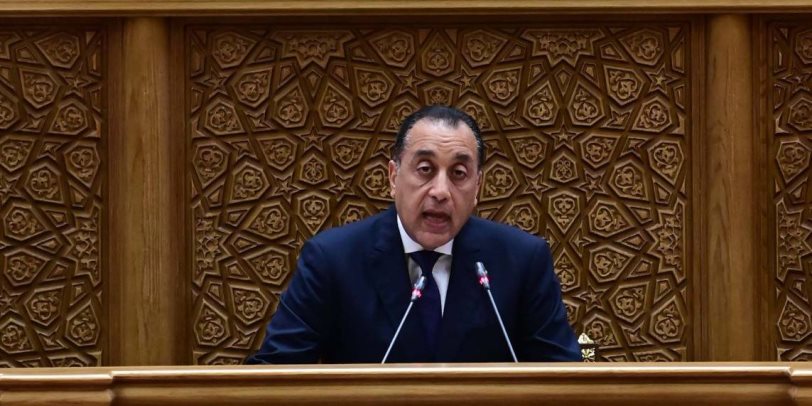
Prime Minister, Mostafa Madbouly, affirmed that the world is facing unprecedented economic challenges as a result of the Iran war, with repercussions extending across countries through energy supplies, supply chains, inflation, prices, as well as transport, trade, industry, and tourism indicators.
He noted that these pressures have rapidly affected the global economy and left immediate consequences for people across the region and the world.
During his address to the House of Representatives, Madbouly outlined the key features of the global crisis, saying that oil supply had been hit by a historic shock and a sharp decline following attacks on energy infrastructure and disruptions to shipping through the Strait of Hormuz, through which around 20% of the world’s oil passes.
Exports through the strait fell from 20 million barrels per day before the crisis to around 3.8 million barrels per day.
Madbouly added that these geopolitical developments caused severe market turmoil, with oil prices jumping from $69 per barrel to $120 before settling at $95, amid expectations that they could climb to between $150 and $200 if the situation worsens. He noted that at least 60 countries had taken emergency measures by April 8, 2026.
He also pointed to the impact on tourism, with daily losses in the region estimated at around $600 million, while the FAO food price index rose by 2.4% amid international warnings of major disruptions to food supply chains, described as the most severe since the Covid-19 pandemic.
Domestic response: Immediate action and professional crisis management
At the domestic level, Madbouly said the Egyptian government was fully prepared and moved within the first hours of the crisis through proactive measures based on five key pillars: real-time monitoring, careful assessment, proposing alternatives, swift and decisive action, and evaluating the impact while taking public opinion into account.
He highlighted the main measures taken by the government:
A crisis committee was formed to monitor developments in real time and prepare proactive scenarios to secure energy needs and maintain market stability.
To support Egyptians abroad, a task force was established at the Ministry of Foreign Affairs to receive inquiries from expatriate communities, alongside a 24/7 hotline.
On food and medicine security, the government secured reassuring reserves of strategic goods and pharmaceuticals sufficient for several months, successfully preventing any shortages in the market.
On foreign currency availability, the government coordinated daily with the Central Bank to secure the needs of essential goods and production requirements, benefiting from the exchange rate flexibility policy and inflation-targeting framework, which he said had proven effective.
On social protection, the government disbursed a EGP 40 billion cash support package to 15 million families during Ramadan and Eid Al-Fitr, while wages in the new budget were increased by 21%, raising the minimum wage to EGP 8,000 at a cost of EGP 100 billion.
Rationalizing spending and managing the energy file
Madbouly said the government had taken difficult but necessary decisions to ensure sustainability, including raising fuel prices to absorb the jump in the imported gas bill from $560 million to $1.65 billion per month.
Spending-rationalization measures also included cutting fuel allocations for government vehicles by 30%, bringing forward shop closing hours, and introducing one remote working day per week during April, which achieved initial savings of 18,000 megawatt-hours.
Future outlook: Shift toward green energy and gas discoveries
The prime minister stressed that the best path to strengthening the economy’s resilience lies in renewable energy. Installed capacity rose from 5,934 megawatts in 2020 to 9,366 megawatts in 2025, with a target of adding 2,500 megawatts this year and increasing the share of renewable energy to 45% by 2028, which he said would save $7 billion annually.
He also revealed a plan to maximize oil and gas discoveries, while committing to settle all dues owed to foreign partners by June 2026 and accelerate exploration efforts to boost domestic production and generate foreign currency savings.
Recovery indicators and structural reform
Madbouly reviewed the positive results of the economic reform program before the war, saying inflation had fallen to 11.9% in January 2026, while foreign reserves reached $52.8 billion at the end of March 2026.
He added that the economy achieved a 5.3% growth rate in the first half of the current fiscal year, driven by growth in industry and tourism, with tourism revenues reaching $10.2 billion.
Madbouly said the government is dealing with the current situation as a prolonged crisis for which all scenarios have been prepared. He praised the awareness of the Egyptian people, describing their response and rationalization efforts as exemplary, and highlighted international recognition from the IMF as well as Fitch and Standard & Poor’s, which he said had affirmed Egypt’s ability to withstand external shocks efficiently.