Egypt discusses new reforms and financing tools to strengthen startups and entrepreneurship growth.
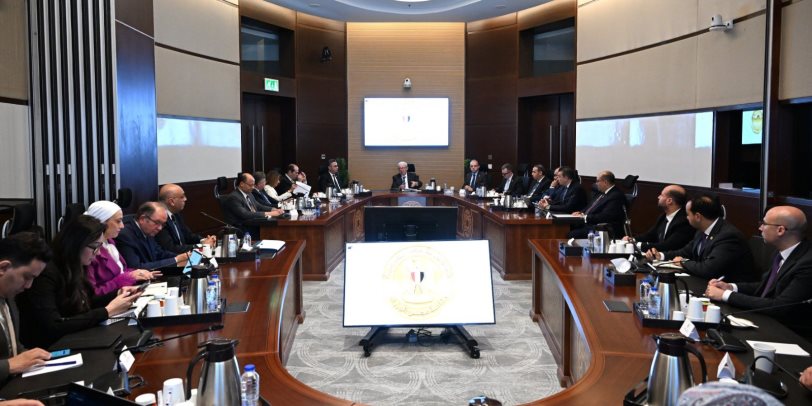 Egyptian officials during the first meeting of the government’s ministerial entrepreneurship group.
Egyptian officials are moving to strengthen the country’s startup ecosystem through new financing tools, regulatory reforms, and a broader strategy aimed at positioning Egypt as a regional hub for innovation and entrepreneurship.
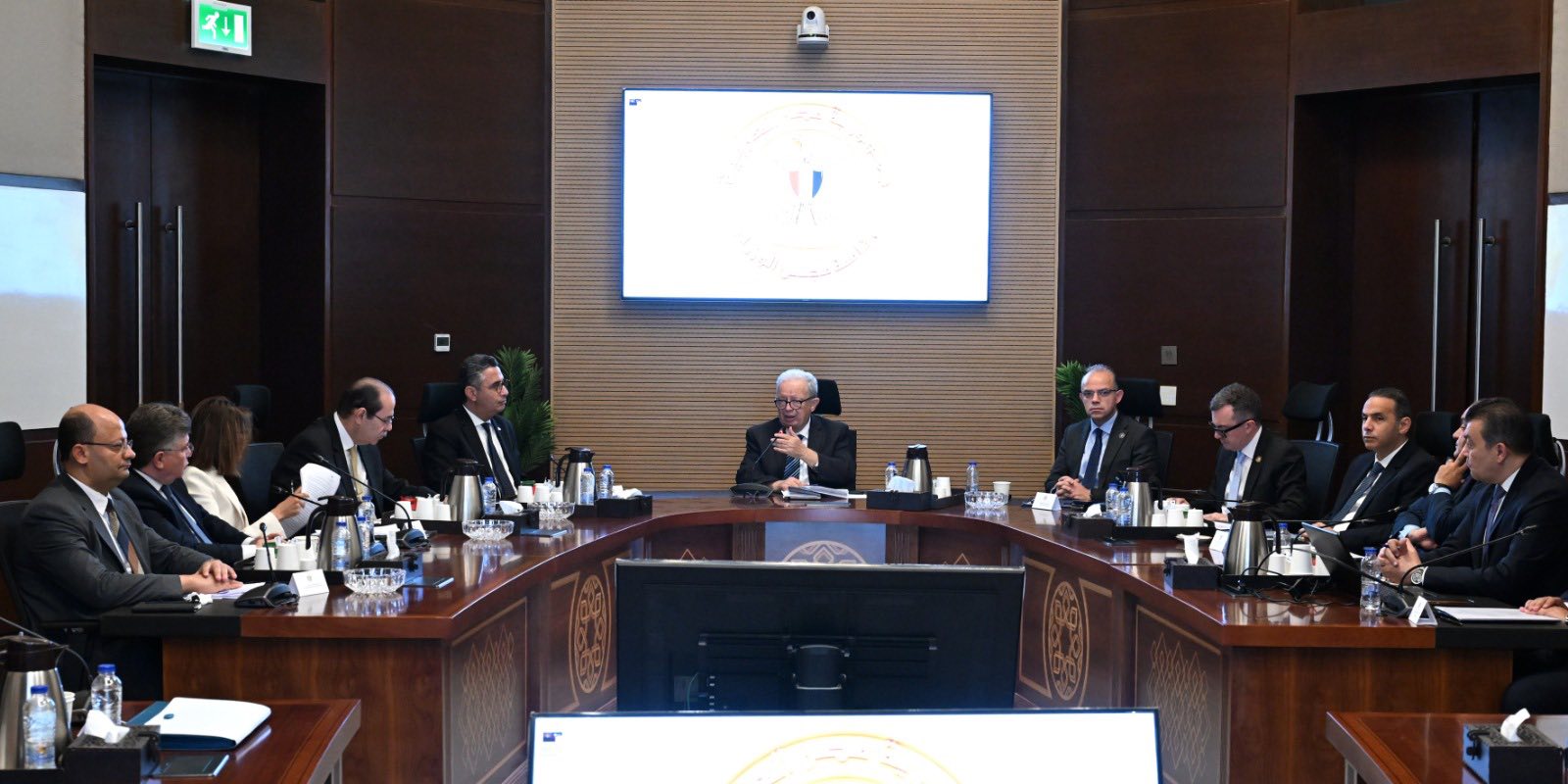
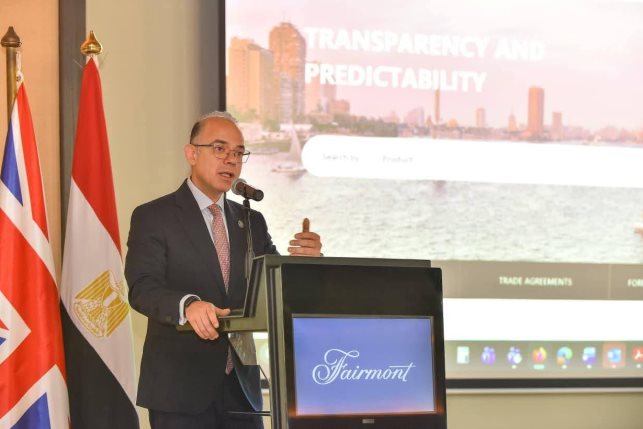
Egypt’s Minister of Investment and Foreign Trade Mohamed Farid participated in the first meeting of the government’s ministerial entrepreneurship group, held under the chairmanship of Deputy Prime Minister for Economic Affairs Hussein Eissa.
The meeting brought together several ministers and government representatives to discuss the group’s executive action plan and mechanisms for supporting Egypt’s entrepreneurship ecosystem and startup sector.
Egyptian officials described entrepreneurship as a key driver of economic growth, innovation, and job creation.
Hussein Eissa said entrepreneurship has become a top priority on the government’s agenda given its role in supporting innovative ideas, transforming them into scalable businesses, and creating job opportunities for young people.
He stressed that developing Egypt’s startup ecosystem requires close coordination and integration between ministries and relevant institutions to strengthen the competitiveness of the Egyptian economy.
For his part, Mohamed Farid said supporting entrepreneurship cannot rely on a single institution alone, but instead requires comprehensive government and institutional integration across multiple sectors.
He added that entrepreneurship is closely linked to economic activity, innovation, productivity, and sustainable development.
The government says startups and entrepreneurship are becoming central pillars of Egypt’s economic strategy.
According to Farid, the Egyptian government views entrepreneurship as one of the main drivers of economic growth, job creation, innovation, and regional and international competitiveness.
Farid revealed that the Ministry of Investment and Foreign Trade is currently implementing six strategic pillars aimed at creating a more flexible and attractive environment for startups and entrepreneurs.
Among the key priorities is transforming the operational approach inside the General Authority for Investment and Free Zones (GAFI) to make it more supportive of innovation and entrepreneurship.
The ministry is also working on developing startup-specific financial valuation standards, recognizing shareholder agreements legally, and strengthening governance frameworks for startups.
Egypt is studying mechanisms to activate modern financing tools, including convertible notes widely used internationally to support startups through different growth stages.
Farid added that the government is studying mechanisms to activate modern financing tools, including convertible notes, which are widely used internationally to support startups through various growth stages.
The minister also announced plans to establish Egypt’s first regulatory sandbox in the foreign trade sector.
The initiative aims to provide entrepreneurs and innovators with opportunities to test unconventional solutions capable of supporting Egyptian exports through data-driven tools, international trade agreements, and export market opportunities.
The project forms part of broader efforts to modernize Egypt’s trade ecosystem and encourage innovation-led export growth.
The government plans to introduce more flexible rules and startup-focused governance standards.
Officials are studying internationally used startup financing models including convertible notes.
Egypt plans to launch its first regulatory sandbox dedicated to foreign trade innovation.
Egypt’s sovereign fund is preparing to establish a publicly listed venture capital company.
Farid said Egypt’s sovereign fund is also working on establishing a publicly listed venture capital company to provide sustainable and innovative financing channels for startups.
He stressed that the current phase requires building an integrated ecosystem that enables young entrepreneurs and innovators to transform ideas into scalable businesses capable of competing regionally and globally.
During the meeting, Ahmed Rostom reviewed the outlines of Egypt’s national executive framework for entrepreneurship and innovation.
The framework aims to strengthen Egypt’s position as a regional hub for innovation, support startup growth, create employment opportunities, and launch a national entrepreneurship forum while enhancing the role of the Prime Minister’s Entrepreneurship Unit in developing supportive policies and attracting local and international investments into the sector.
Egypt’s latest entrepreneurship strategy reflects growing government efforts to position startups and innovation-driven businesses at the center of economic transformation and future growth.
Through regulatory reforms, financing innovation, export-focused initiatives, and venture capital expansion, officials aim to create a more competitive ecosystem capable of attracting investment and supporting the next generation of Egyptian entrepreneurs.