Egypt targets over 5% growth while expanding innovative financing and private sector partnerships.
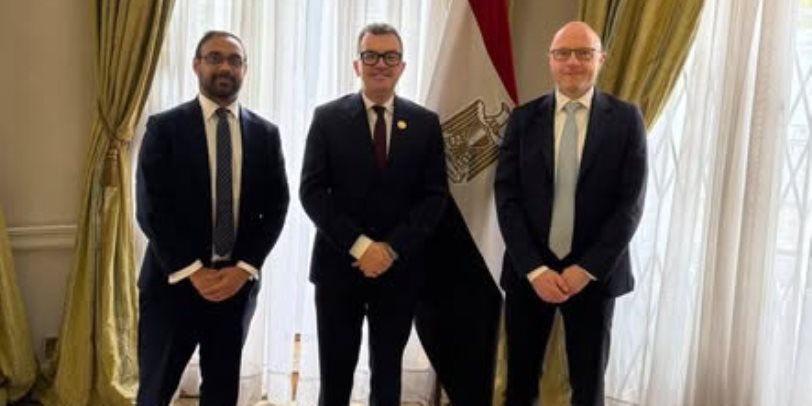 Ahmed Rostom meets international financial institutions during the Oxford Africa Conference 2026.
Egypt is targeting economic growth between 5.2% and 5.4% in FY2026/2027 while expanding cooperation with international financial institutions to support infrastructure, investment, and private sector participation.
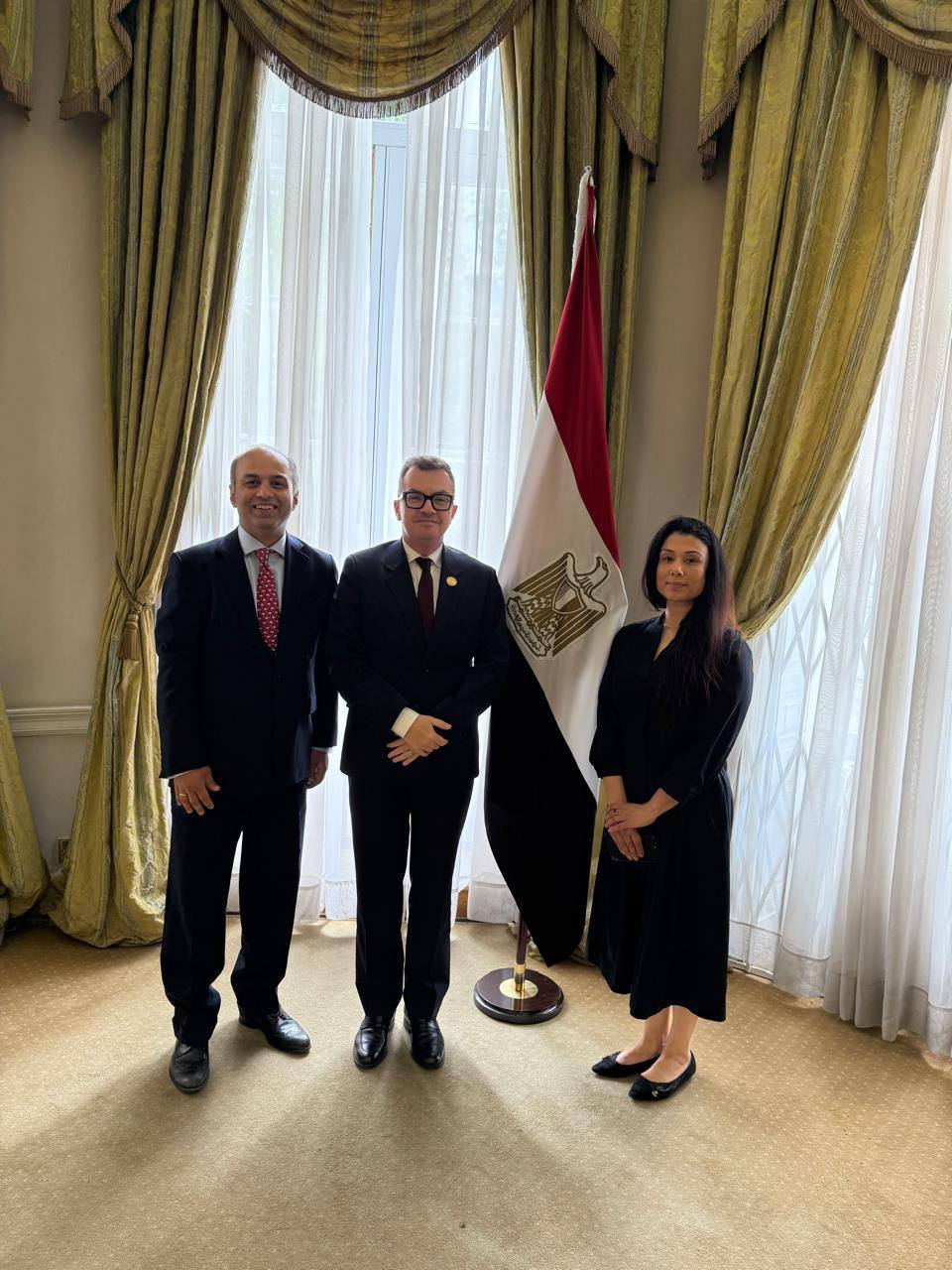
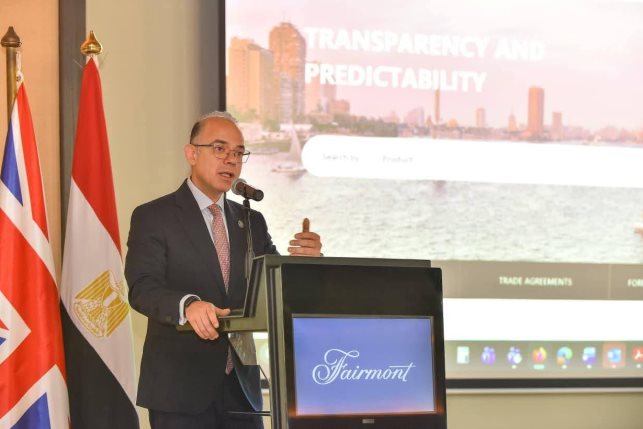
Egypt’s Minister of Planning and Economic Development Ahmed Rostom held a series of high-level meetings with representatives of major international financial institutions and private sector organizations during his participation in the Oxford Africa Conference 2026 in the United Kingdom.
Held under the theme “Positioning Africa: Leadership in an Age of Disruption,” the conference served as a platform for Egypt to showcase the resilience of its economy amid continuing regional and global turbulence, while also highlighting ongoing economic reform efforts.
The meetings were attended by Egypt’s Ambassador to London Ashraf Sweilam and senior trade officials.
Egypt’s development plan for FY2026/2027 targets economic growth ranging between 5.2% and 5.4%.
Rostom held bilateral discussions with senior executives from several major international institutions, including Standard Chartered, British International Investment, HSBC, and UK Export Finance.
The talks focused on expanding cooperation in innovative financing mechanisms, infrastructure funding, and public-private partnerships.
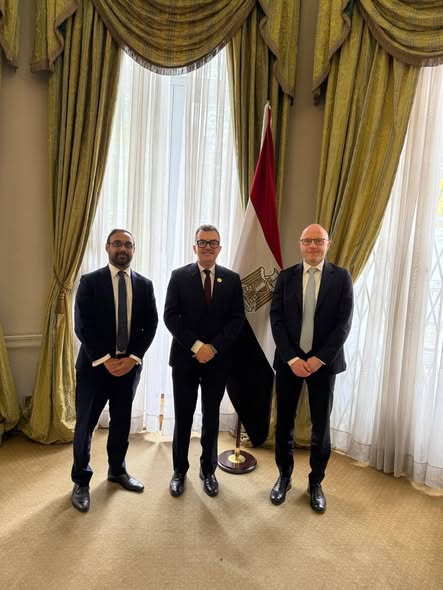
Discussions focused on innovative financing tools, infrastructure investment, sustainable finance, and mechanisms to increase private sector participation in Egypt’s development agenda.
During the meetings, Rostom reviewed recent developments in Egypt’s economic performance and the government’s efforts to maintain macroeconomic stability and improve the investment climate.
The minister revealed that Egypt’s economy recorded growth of 5.3% during the first half of the current fiscal year, describing the figures as evidence of the positive impact of ongoing economic reforms on productive and service sectors.
According to Rostom, Egypt’s development plan for fiscal year 2026/2027 targets economic growth ranging between 5.2% and 5.4%.
Five key sectors are expected to contribute around 64% of targeted economic growth in FY2026/2027.
He added that five key sectors are expected to contribute around 64% of targeted economic growth during the coming fiscal year: manufacturing industries at 29%, wholesale and retail trade at 11.3%, tourism at 9.3%, construction and building at 7.2%, and agriculture at 7%.
The minister said the government aims to further strengthen the contribution of the real economy to sustainable growth.
Rostom also reviewed Egypt’s efforts to diversify innovative financing tools for infrastructure projects, including expanding partnerships with the private sector and increasing the use of sustainable financing instruments.
He stressed that the government is working on developing a sustainable and innovative financing model that combines government resources, private sector investments, and foreign direct investment capital.
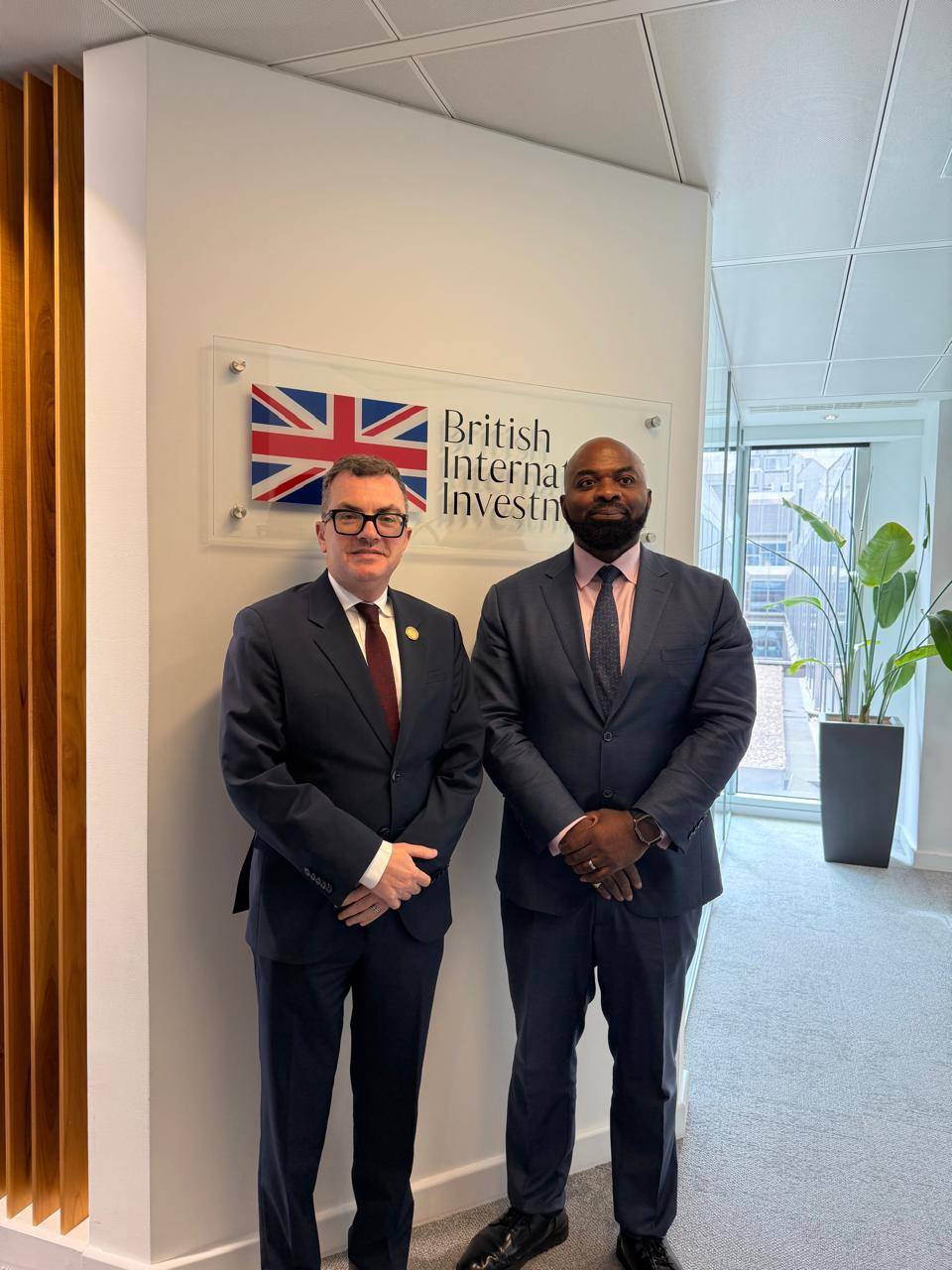
The model is intended to support infrastructure projects while building on Egypt’s accumulated experience and achievements in sectors such as energy, transportation, and urban development.
According to Rostom, these efforts are part of broader government plans to strengthen long-term economic resilience and accelerate development.
Egypt is working to maintain stability while improving the investment climate.
The government is expanding sustainable financing tools and public-private partnerships.
Manufacturing, trade, tourism, construction, and agriculture are expected to drive growth.
Financing partnerships are expected to support energy, transportation, and urban development projects.
Egypt’s meetings in London reflect the government’s broader effort to deepen partnerships with global financial institutions, attract investment, and develop financing models capable of supporting major infrastructure and development projects.
With the government targeting growth above 5% and seeking to expand the role of productive sectors, officials say innovative financing and stronger private sector participation will remain central to Egypt’s next phase of economic development.